Why Transformer Heat Exchanger Monitoring?
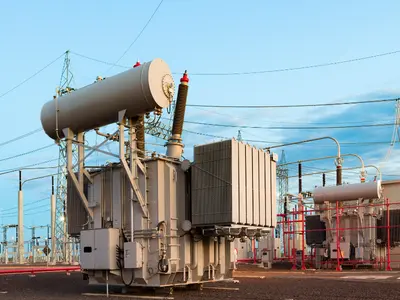
Rectifier transformers in industries such as manufacturing, utilities, sugar mills, and renewables operate under variable loads. The transformers power them continuously under varying loads and require effective cooling to run efficiently. Using rectifiers as a heat exchanger in the transformers creates harmonics, which causes extra energy loss. This generates additional heat in transformer oil.
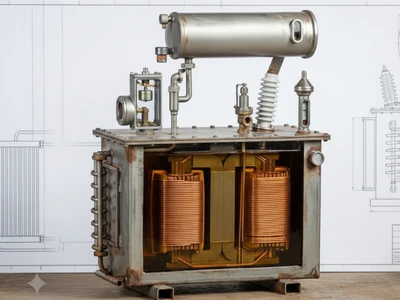
The oil circulation system dissipates heat from the transformer windings and core by transferring the heat to the heat exchanger (can be oil-water exchangers in OFWF setups). Real-time monitoring of these transformer heat exchanger becomes a necessary maintenance stratergy for asset longevity and reliability.
Inefficient cooling or cooling system directly impacts:
- Asset Longevity: Every 8–10°C rise above design limits can reduce insulation life to half (as per Arrhenius rule). Rectifier transformer already faces higher
- Operational Reliability: Overheating causes reduced loading capacity, unplanned outages, and safety risks.
- Energy Efficiency and Costs: Poor heat transfer increases losses, raising electricity bills and carbon footprint.
- Regulatory Compliance: Industries face stricter reliability and efficiency standards.
For engineers and plant managers, proactive HE monitoring of transformers improves the total cost of ownership (TCO) and boosts returns on investment (ROI) by extending asset life and reducing downtime.
Common Challenges in Transformer Heat Exchanger
Fouling and scaling are primary causes in degraded heat exchanger performance:
- Fouling is accumulation of organic/inorganic deposits, sludge or oxidation products on the surfaces. These deposits act as an insulating layer and build thermal resistance. Due to which, the overall heat transfer efficiency (U-value) of the system reduces.
- Scaling are hard mineral deposits (e.g., calcium, silica). These are particularly common in water-cooled systems and can slow-down or block the fluid flow, decrease heat transfer efficiency, and effect the dissipation heat effectively.
These issues cause:
- Higher oil temperatures (top-oil and hotspot).
- Reduced cooling efficiency, forcing fans/pumps to work harder.
- Decrease in pressure and increase in potential pump strain.
- Accelerated insulation aging, moisture ingress risks, and eventual transformer failure.
In high-load or dusty/humid environments, these problems accelerate and often unnoticed until alarms trigger or efficiency drops gradually.
Key Monitoring Parameters: Flow Meters and Temperature Sensors at Critical Points
Effective monitoring of heat exchangers of transformers focuses on Oil Inlet & Outlet and overall system performance using:
-
Temperature Monitoring
Temperature measurements provide valuable and effective insight of heat transfer within the cooling system.
- Oil inlet and outlet temperatures: The temperature of the oil before it enters and after it leaves the heat exchanger is measured to determine the temperature drop (ΔT) across the cooling unit. This temperature difference directly indicates the cooling performance. In normal operating conditions a healthy heat exchanger will experience a temperature drop of 8°C to 12°C normally. A temperature drop indicates presence of fouling, scaling, or restricted oil flow.
- Top-oil, bottom-oil, and winding hotspot temperatures: These temperatures are determined either by direct sensors in real-time monitoring or by thermal models during periodic checks. Real-time monitoring them helps understand the transformer’s thermal condition and detect possible overheating issues.
- Cooling-medium temperatures: Monitoring the temperature of the cooling water provides essential context for assessing heat exchanger performance in different environmental conditions.
By analysing and corelating ΔT trends together with transformer loading data, operators can identify gradual performance degradation before temperature failures.
-
Flow Monitoring
Flow measurements help to verify that sufficient cooling oil is circulating through the heat exchanger.
- Oil flow rate:Electromagnetic or ultrasonic flow are meters installed in the inlet and outlet valve to provide accurate flow readings in real-time. If the flow rate decrease below assigned percenatge of the designed flow rate, this may indicate blockages, clogged strainers, pump degradation, or heat exchanger fouling.
-
Additional Monitoring Parameters
To diagnose the cooling system health completely, other parameters should also be monitored:
- Transformer oil quality parameters, such as moisture content, dielectric strength, and contamination levels. These can affect both cooling performance and insulation reliability.
How Heat Exchanger Monitoring Helps Mitigate These Problems
| Monitoring Capability | Description |
| Early Fouling/Scaling Detection | Real-time calculation of heat transfer efficiency (U-value) or effectiveness using inlet/outlet temperatures, flows, and pressures. Deviations trigger alerts for investigation or cleaning. |
| Optimized Maintenance | Condition-based cleaning of radiators or tube bundles based on actual equipment condition rather than fixed schedules. |
| Flow and Pump Health Monitoring | Continuous monitoring of flow rates to identify pump degradation, valve malfunctions, or flow restrictions. |
| Load Management | Correlates heat exchanger (HE) performance with load profiles to assess cooling capability under varying conditions. |
| Predictive Insights | AI-driven analysis of historical and real-time data to forecast future efficiency trends and threshold breaches. |
Why do Continuous Monitoring of Heat Exchangers?
Periodic inspections miss slow occurring or gradual issues. Continuous IoT-based monitoring delivers:
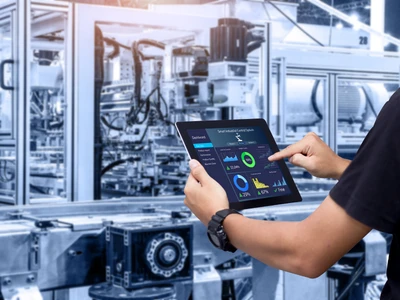
- 24/7 Visibility: Real-time dashboards and alerts via cloud platforms, accessible to engineers and management.
- Data-Driven Decisions: Historical trends, AI-powered anomaly detection, and predictive maintenance recommendations reduce guesswork.
- ROI Benefits: Reduced unplanned outages (often costing lakhs per hour), extended transformer life by years, lower energy losses, and optimized maintenance budgets. Payback periods are typically 12–18 months.
- Scalability: Suitable for single critical units or entire fleets, with seamless integration into existing SCADA/EMS systems.
- Safety and Compliance: Early warnings prevent catastrophic failures, supporting reliability standards in power-intensive sectors.
In growing industrial and renewable landscape dependency on power transformers has grown rapidly and requires care of these electrical assets. These transformers undergo heavy loads and variable conditions. The continuous HE monitoring is a strategic investment in asset health reliability.
Conclusion: HE Monitoring for Smarter Transformer Management
Transformer heat exchanger monitoring involves converting data into actionable insights for reliability, efficiency, and cost optimization. By analysing and identifying fouling, scaling, and flow problems proactively using flow meters, temperature sensors, and advanced analytics, the operators can ensure asset performance and reliability.
Contact us for demo or consultation on smart monitoring solutions for your asset health.
Stay compliant with data-driven asset health management.