What is Partial Discharge (PD)?
Partial Discharge is a localized dielectric breakdown of a small portion of the electrical insulation under high voltage stress. A complete breakdown which causes a full flashover or short circuit, the Partial Discharge is “partial” and it doesn’t erode the entire insulation immediately.
Common causes of Partial Discharge inside transformers include:
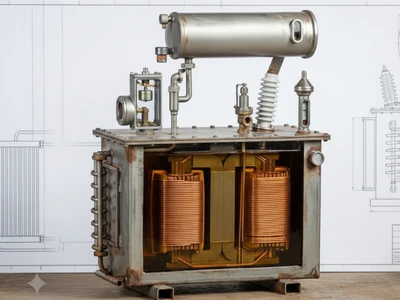
- Voids, cracks, or cavities in solid insulation (paper/oil systems)
- Contamination or moisture in the oil
- Manufacturing defects or mechanical stress on windings
- Aging and thermal cycling leading to delamination
- Protrusions or sharp edges causing high local electric fields
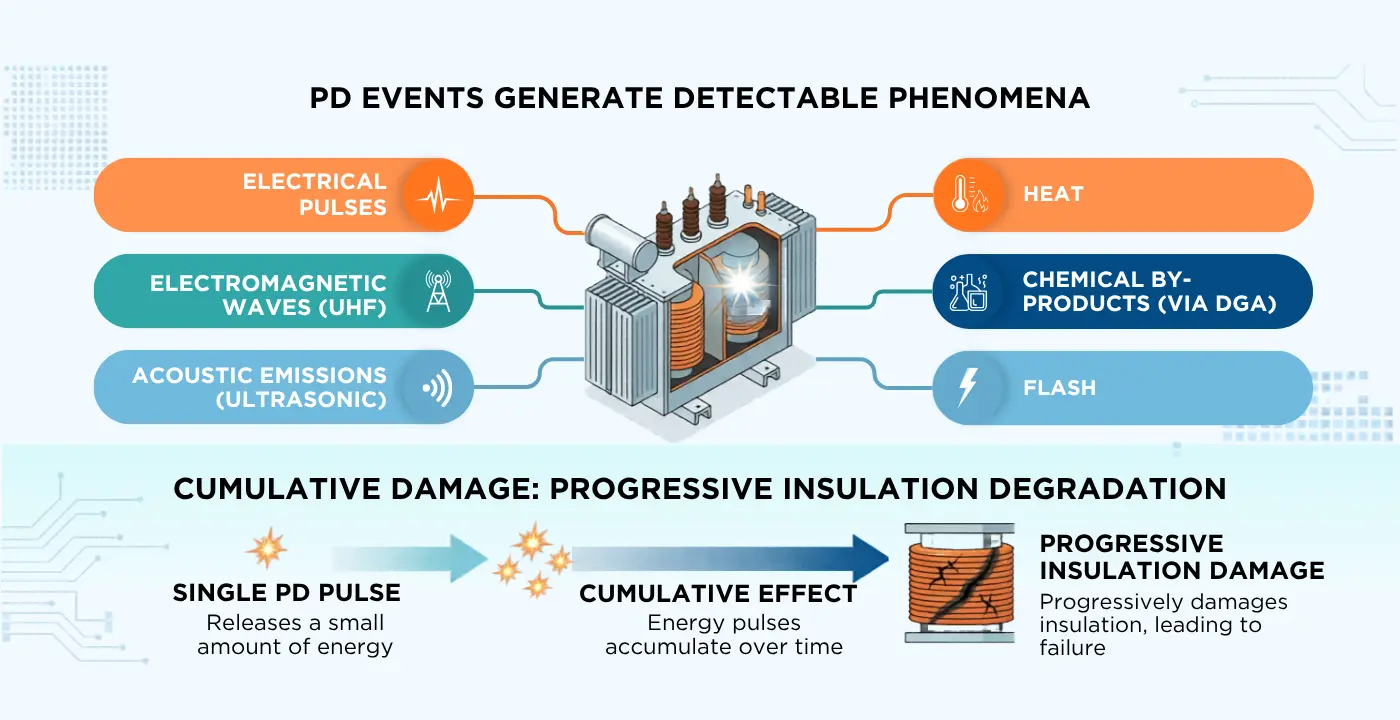
Each Partial Discharge pulse releases energy that progressively damages insulation similar to a repeated small hammer strikes that starts deforming a structure. If left unnoticed or undiagnosed, Partial Discharge can evolve into complete insulation failure creating a catastrophic consequences for critical assets.
Offline vs. Online Partial Discharge (PD) Monitoring
| Aspect | Offline PD Monitoring | Online PD Monitoring |
|---|---|---|
| When Performed | During planned outages, factory acceptance tests, or commissioning | Continuous or periodic monitoring while the transformer is in service |
| Operating Conditions | Controlled lab-like environment (shutdown required) | Real operating conditions (load, temperature, harmonics, transients) |
| Standards & Methods | Typically follows IEC 60270, using coupling capacitors or calibrated setups | Uses advanced sensors with noise filtering / AI algorithms |
| Measurement Unit | Precise calibration in pico-coulombs (pC) | Trend-based Plotting |
| Advantages |
|
|
| Limitations |
|
|
| Best Used For | Factory testing, detailed diagnostics after issues are suspected, acceptance/commissioning | Continuous health monitoring of Transformer, predictive maintenance |
Key Sensors for Monitoring Partial Discharge
The prominent non-contact sensors dominate modern online PD monitoring for transformers:
UHF (Ultra High Frequency) Type Sensors:
- Detect electromagnetic waves emitted by Partial Discharge (300 MHz to 3 GHz).
- Highly sensitive to discharges inside the tank.
- Often installed via oil drain valves or dedicated ports (internal) or externally on inspection windows.
- Excellent noise rejection (many external interferences are lower frequency).
- Strong for PD source localization using multiple sensors and time-of-flight analysis.
HFCT (High Frequency Current Transformer) Type Sensors:
- Non-Contact clamped sensor placed around grounding leads, cable screens, or neutral connections.
- Capture high-frequency current pulses traveling through the ground paths.
- Non-intrusive, easy to retrofit on existing transformers.
- Good sensitivity for PD in bushings, terminations, and certain internal activities.
- Robust and galvanically isolated.
Acoustic Type Sensors:
- Detect ultrasonic acoustic waves (typically 20 kHz to 1 MHz) generated by the mechanical shock waves from PD activity.
- Highly effective for detecting surface discharges, oil discharges, and bubbling phenomena.
- Usually mounted externally on the transformer tank wall using magnetic hold.
- Less affected by electromagnetic interference, making them suitable for noisy environments.
- Can be combined with UHF or HFCT for hybrid monitoring to improve detection reliability and reduce false alarms.
Why Invest in Partial Discharge Monitoring Now?
- Early Warning: PD can prevent major failures by months or years.
- Risk Reduction: Prevents unplanned shutdown in critical applications (data centers, process industries, renewables).
- Life Extension: Targeted maintenance optimizes insulation life.
- Cost Savings: Avoids costly repairs and downtime.
- Safety & Compliance: Enhances overall asset health visibility.
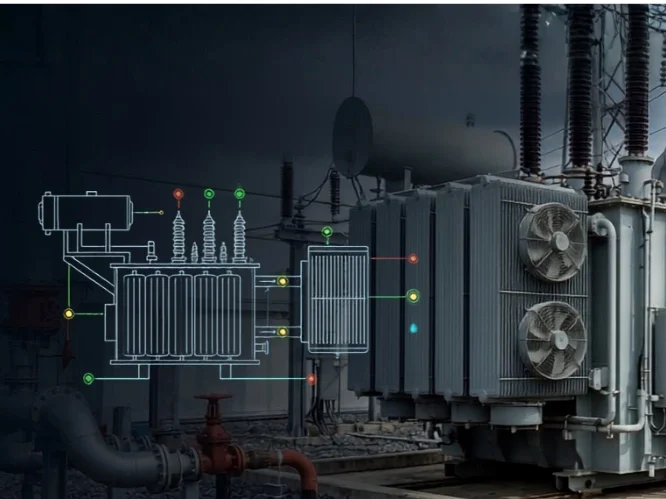
When integrated into a broader transformer monitoring platform like Motwane’s Transformer Monitoring System with DGA, temperature, moisture, and load data: you get a complete health index and predictive insights. As grids have become smarter and more stressed, partial discharge monitoring is becoming an essential tool for proactive transformer management.
Ready to strengthen your transformer reliability strategy? Explore integrated online condition monitoring with Motwane Digital that bring together PD insights with other critical parameters for complete peace of mind.