What Are Energy-Intensive Industries?
Energy-intensive industries are those industries where energy forms a significant input of costs, and their operations rely heavily on heat, power, or mechanical processes.
These industries consume a large amount of industrial energy and contribute significantly to emissions. At the same time, they are essential sectors that help in powering infrastructure, manufacturing, and economic growth.
These industries face the real challenge as rising energy costs, carbon regulations, and ESG expectations are forcing them to redefine how their energy is monitored and managed.
Key Types of Energy-Intensive Industries
Energy-intensive industries typically fall into these major categories:
- Basic Metals – Steel, aluminum, and non-ferrous metals using high-temperature furnaces heating above 1000°C
- Chemicals & Petrochemicals – Processes like steam cracking and distillation
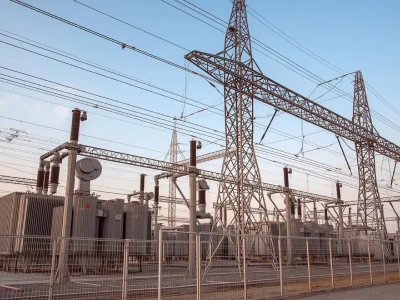
- Thermal Power Station – Large amount of combustion of coal, gas, or oil for electricity generation with significant heat losses and high fuel consumption
- Non-Metallic Minerals – Cement, glass, and ceramics with energy-heavy kilns run at 1450°C+
- Paper & Pulp – Steam-intensive drying and processing consume both heat steam and electricity
- Coke and Petroleum Refining – Complex thermal and chemical processes
- Rubber & Plastics – Molding and extrusion
Where Energy Is Consumed
Across industries, energy consumption is concentrated in a few key areas:
| Category | Typical Share of Total Energy | Key Assets / Equipment | Common in EIIs? | Common in All Industries? |
|---|---|---|---|---|
| Process Energy | 50–80% (highest in EIIs) | Boilers, furnaces, kilns, reactors, dryers, evaporators | Yes (dominant) | Moderate |
| HVAC & Building Systems | 15–30% | Motors, pumps, compressors, fans, conveyors, Chillers, AHUs, cooling towers, space heating | Modearate to High | Very high |
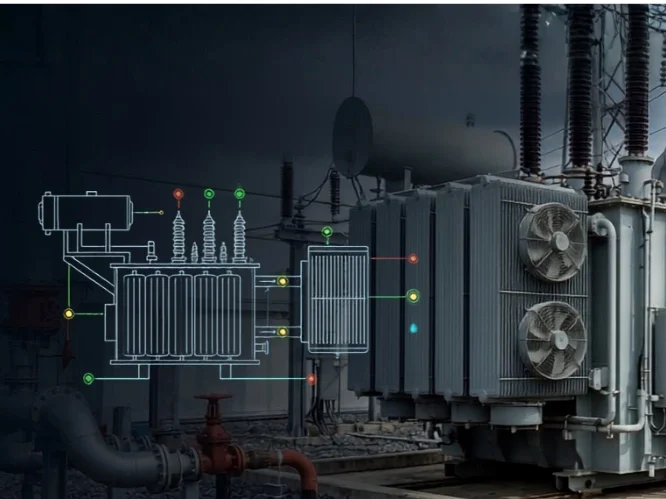
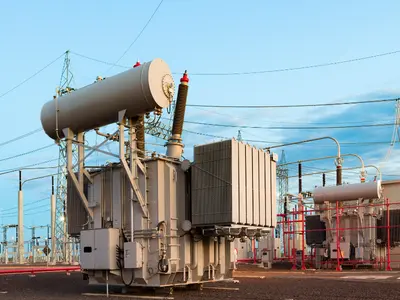
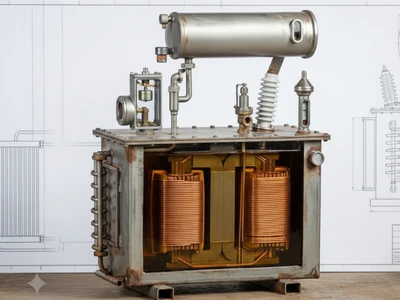
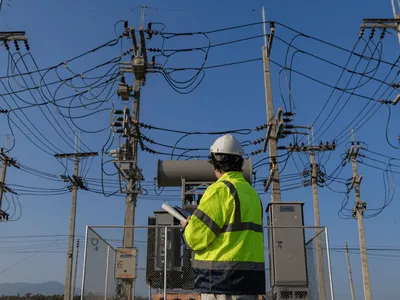
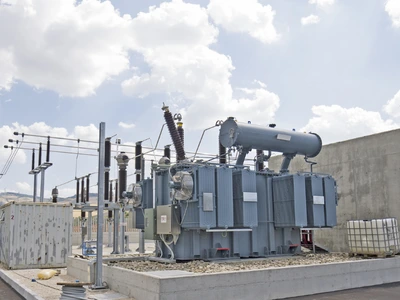
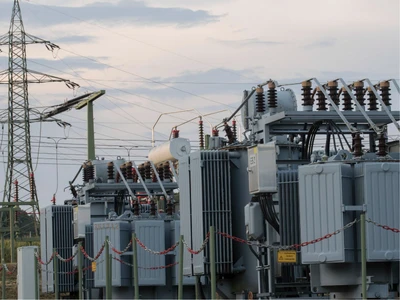
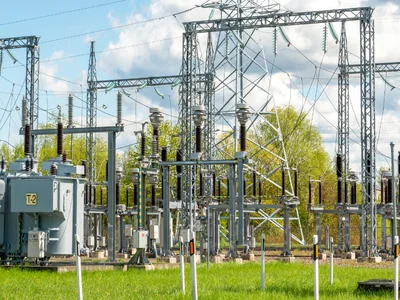
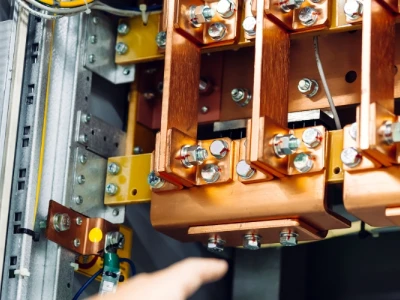
| Electrical Infrastructure & Lighting | 5–10% | Transformers, switchgear, lighting, UPS | High | Universal |
Most facilities lack granular visibility, without real-time data, energy decisions are based on estimates not on true conditions.
How IIoT Enables Smarter Energy Management
Industrial IoT shifts energy management from reactive to proactive.
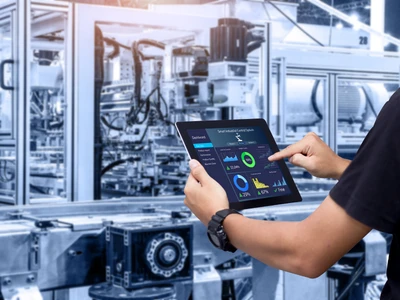
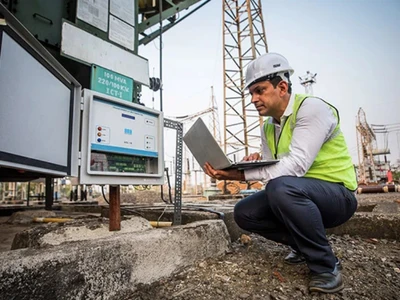
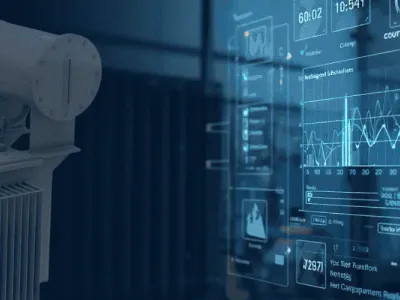
Modern IIoT platforms use sensors and gateways to monitor assets in real-time without causing any major infrastructure changes. This creates a centralized dashboard of energy usage across the plant on an easy to access platform.
AI- Driven Analytics Enables:
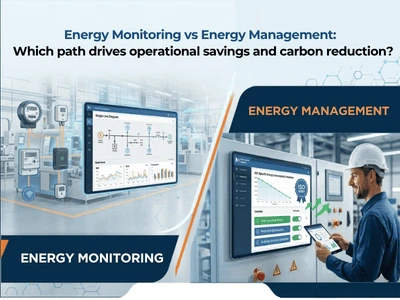
- Real-Time Monitoring Track energy at the asset level: motors, transformers, busbars, and more electrical assets 24/7.
- Management Custom dashboards to detect anomalies, optimize load usage, and identify inefficiencies instantly.
- Energy & Emission Reduction Predictive maintenance reduces downtime of about 20-30% and avoids energy waste required during restart.
- Optimized scheduling of high-consuming equipment, VFD tuning lowers peak demand costs.
- Real-time carbon tracking (scope 1 & 2) supports ESG compliance
- Cross-Industry Scalability becomes easy, from heavy manufacturing to commercial, the same system adapts to different energy profiles.
Real-World Impact
Organizations that use IIoT-driven energy management have started noticing measurable results:
- 10–30% reduction in energy consumption
- Improved asset life and reduced downtime
- Lower carbon emissions with better reporting accuracy
Why Energy Management Matters Now
Energy Management now directly impacts how resilient a company’s operations are, how efficiently you protect your margins hence, is a controllable variable.
Companies that actively manage energy outperform competitors by:
- Protecting margins against price volatility
- Meeting regulatory and ESG requirements
- Improving operational reliability
The Motwane Digital’s IIoT solutions are designed to work in all industrial environments and integrate with existing assets or systems easily. Whether these are old transformers or modern chillers, everything can be connected into one platform, giving you clear visibility, actionable insights, and better control over your energy usage.
End goal of theses platforms are to turn energy data into real savings and derive measurable sustainability outcomes.
Where to start?
The future aligns to industries that treat energy as a managed resource and not an uncontrollable expense.
If you are looking to take the first step, you can explore or contact for an energy audit or asset health assessment with the Motwane Digital team.
Stay ahead and Stay efficient with Sustainability.