Common Transformer Problems Engineers Face
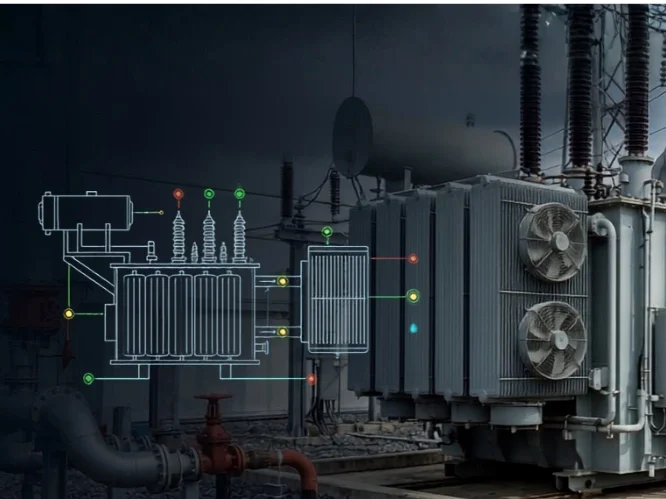
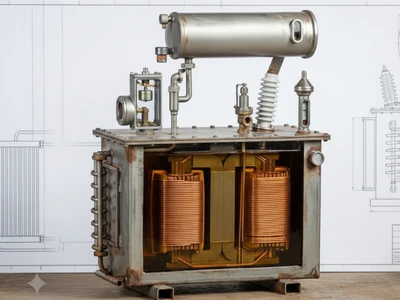
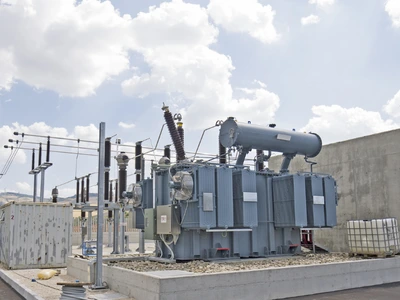
Usually, a plant engineer notices rising winding temperatures, unexplained tripping, or increased no-load losses. Periodic oil testing every 6–12 months often misses the developing issues. Moisture presence, partial discharges, overheating, or arcing can go unnoticed until it’s too late.
Real-time Dissolved Gas Analysis turns the oil into a diagnostic tool. Gases form due to electrical or thermal stress on oil and paper insulation, and these gases are directly detectable through online systems.
Detect Key Fault Gases in Real Time
Analyzing individual gases helps with easy identification of specific issues quickly:
- Hydrogen (H₂): This presence gives the earliest sign of partial discharge (PD). Even slight increases (especially with low other gases) point to insulation stress, mostly due to moisture, voids, or high voltage stress. In real time, a gradual spike is a sign to take necessary action urgently.
- Other Important Gases:
- Methane (CH₄): Low-temperature thermal faults (<300°C), often from hot spots or poor connections.
- Ethylene (C₂H₄): Higher temperature oil overheating.
- Acetylene (C₂H₂): High-energy arcing.
- Carbon Monoxide (CO) & Carbon Dioxide (CO₂): Paper insulation degradation.
- Oxygen & Nitrogen: Possible leaks in gaskets or tank sealing.
Singnificant Contributor
- Moisture (H₂O): This is not a fault gas but a major accelerator of problems. High ppm levels reduce dielectric strength and boost cellulose aging significantly increasing the PD risk. Online sensors correlate moisture with temperature and detect potential issues early, majorly in humid condition or during monsoon seasons.
Turn DGA Data into Clear Decisions
Raw gas concentrations are useful only when interpreted correctly. Here are the industrial practices used by experts to analyze the data:
Duval Triangle Method
The Duval Triangle Method helps to identify transformer faults by analyzing the relative proportions of three key gases: methane (CH₄), ethylene (C₂H₄), and acetylene (C₂H₂). These gas concentrations are plotted on a chart, to determine the type of fault occurring inside the transformer. Depending on where the plotted point is, the fault can be classified into different zones:
- PD (Partial Discharge): Indicates low-energy electrical discharges that may signal insulation defects.
- Thermal Faults: Thermal faults at varying temperatures.
- T1: Thermal Faults < 300°C
- T2: Thermal Faults 300°C – 700°C
- T3: Thermal Faults > 700°C
- Electrical Discharges: Low-energy or high-energy arcing faults.
- D1 (Low Energy Discharge): Rise in methane (CH₄) and acetylene (C₂H₂) levels with some ethylene (C₂H₄).
- D2 (High Energy Discharge): High acetylene (C₂H₂) concentrations.
- DT (Thermal and Electrical Fault Combination): Suggests the presence of both overheating and electrical discharge activities.
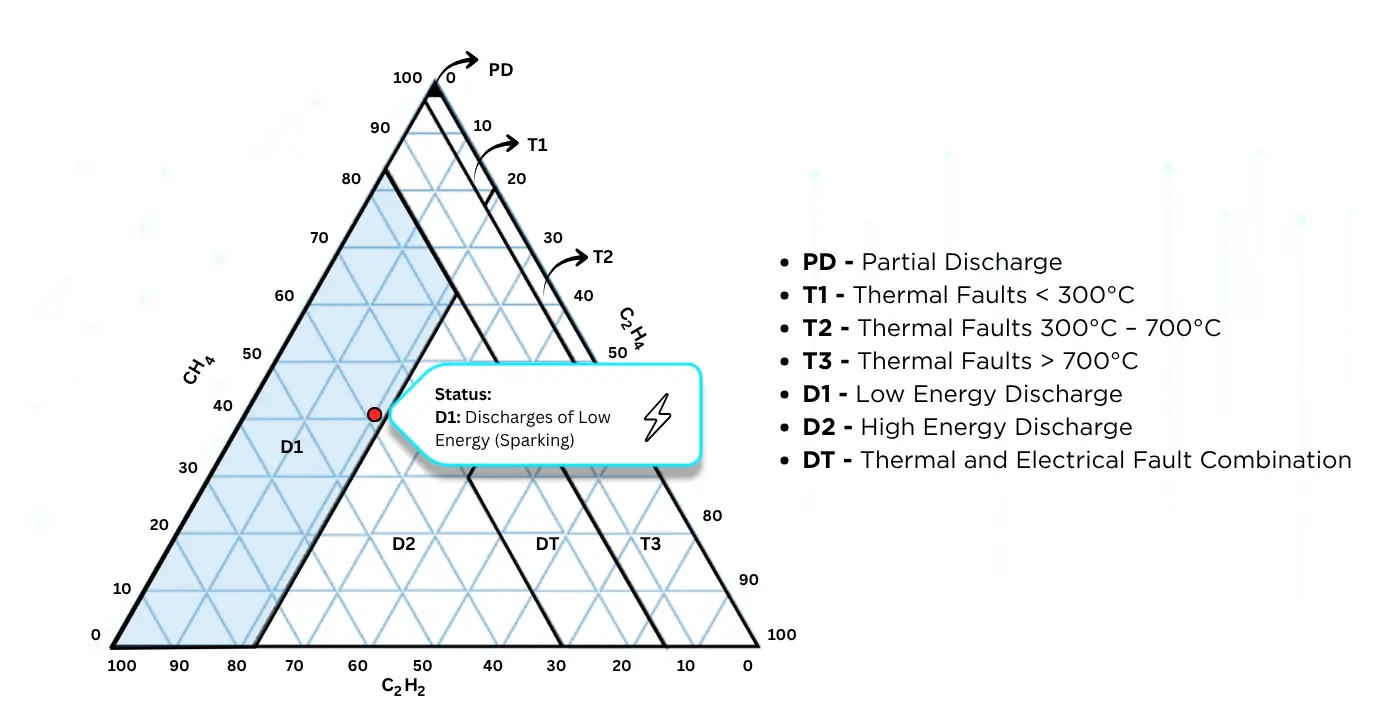
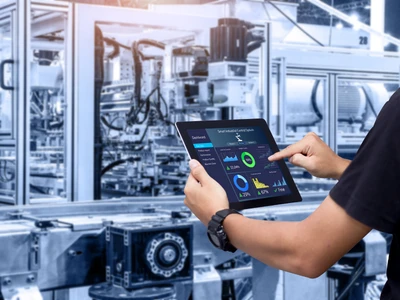
Modern AI-powered monitoring platforms further enhance this process by automatically generating Duval Triangle plots. This helps in tracking fault trends over time and provides alerts when gas patterns shift from one fault zone to another.
Guidelines & Ratio Methods
The IEC60599 standard has set a structured framework for understanding and implementing Dissolved Gas Analysis results and diagnosing transformer faults.
It Focuses on gas ratios (e.g., key ratios involving H₂, CH₄, C₂H₄, C₂H₂) along with concentration limits to identify conditions as normal, suspicious, or faulty. It complements Duval Triangle method and provides a visual fault classification for improved decision making.
Trend Analysis
A single test can mislead the actual data, hence Monitor:
- Rising trends in specific gases
- Total Dissolved Combustible Gas (TDCG) levels like hydrogen, methane, carbon monoxide, and acetylene
- Correlation with load, top oil temperature, and moisture
Steady CO/CO₂ rise → Paper aging (plan refurbishment).
H₂ spike with moisture → Check for leaks or drying needs.
Read more on How Dissolved Gas Analysis (DGA) Enhances Transformer Monitoring.
Online Detection to Confirmatory Action
Online DGA gives continuous visibility, but smart validation ensures you act correctly:
- Online Monitoring: Real-time alerts on faults (H₂ rise, moisture spike).
- Trends & Visibility: Correlation with temperature, load, and vibration data.
- Lab Confirmation: Take oil samples for detailed lab DGA when triggered alerts.
- Supplementary Tests: Use thermography, Partial Discharge monitoring, or internal inspection during outage.
- Action: Fix the root cause before the problem escalates.
Real-World Example from Industry
A transformer in an industrial plant showed a gradual rise in hydrogen (H₂) and thermal gases through continuous online Dissolved Gas Analysis (DGA) monitoring. The issue indicated a developing thermal fault.
A detailed inspection later identified blocked radiator fins and poor oil circulation. This problem was not visible during routine external check-ups. Because the issue was detected early through Online DGA monitoring, corrective actions were completed during a planned maintenance shutdown.
Thus, the maintenance team prevented a potential transformer failure and avoided significant production losses and downtime costs.
Identify → Analyze → Validate → Act
Make Online DGA Part of Your Maintenance Strategy
Standalone DGA is very powerful. Integrated with Transformer IQ a Motwane Digital’s AI-powered asset condition monitoring system, it becomes a complete predictive solution:
- Real-time dashboards with trends.
- Automated health indexing and Remaining Useful Life (RUL) estimates.
- Fleet-level insights for utilities and large industries.
- Mobile alerts for faster response.
Take control of your transformer health today by understanding and interpreting DGA results and shift from reactive to predictive maintenance. Approach right, act early and save costs.
Learn More About Transformer IQ. Get in Touch for a site assessment or demo tailored to your plant’s needs.
Stay ahead with smarter monitoring. Prevent failures. Maximize uptime.