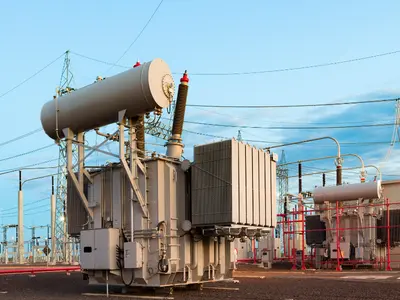
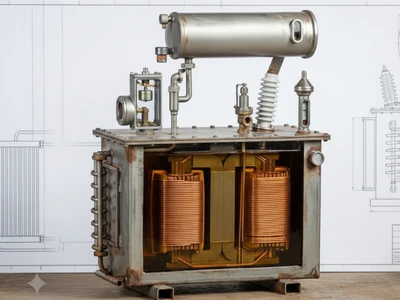
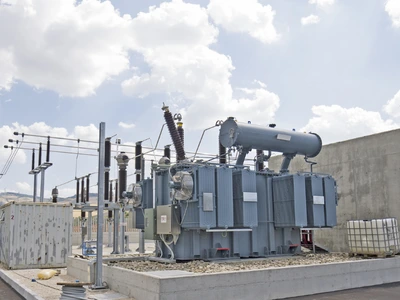
Transformers are valuable assets in electrical distribution systems commonly found in industries such as manufacturing and utilities. These transformers regulate voltage levels and ensure smooth power flow. Therefore, their performance has a direct impact on operational costs, downtime, and overall profitability.
The return on investment (ROI) in a transformer extends beyond its initial cost to include other long-term costs, which may be hidden or unknown. These costs may include breakdowns or losses in transformers, which may be costly in the long term.
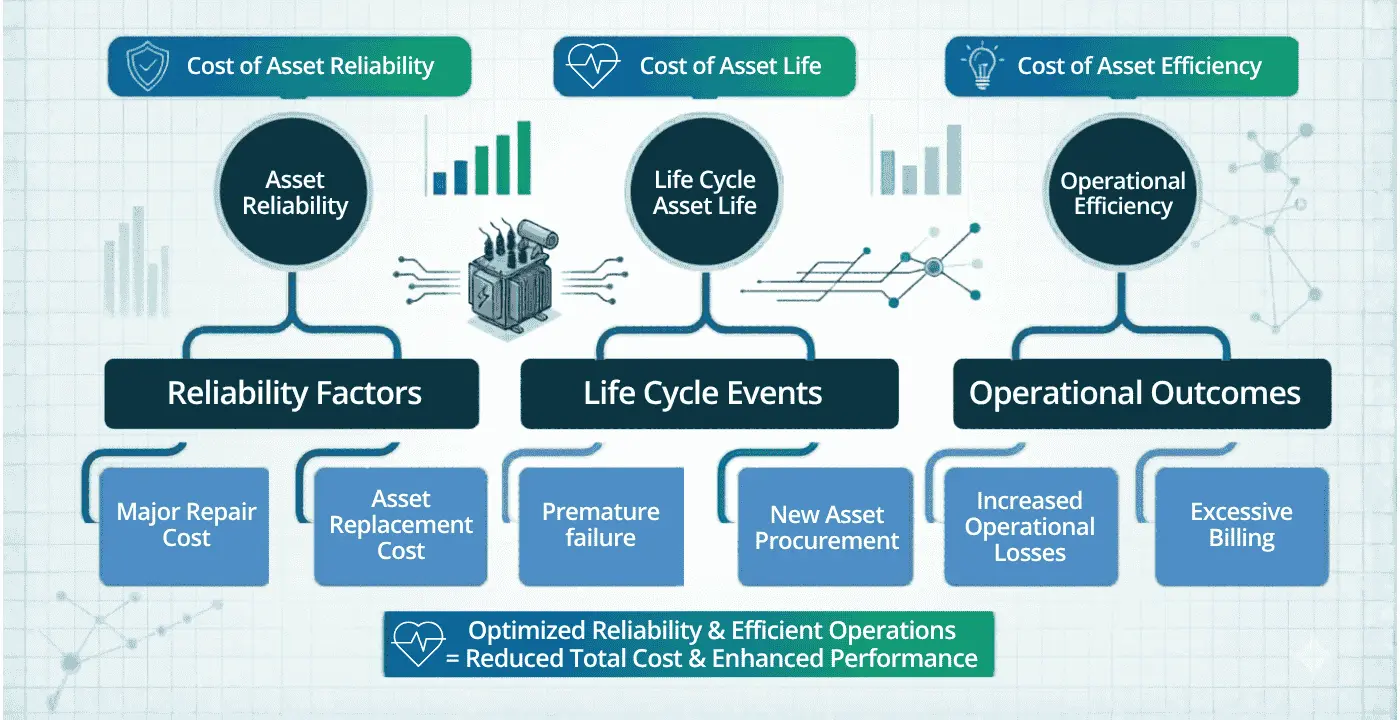
Cost factors are presented in structured frameworks to illustrate cause-and-effect relationships between transformer problems and their cost implications. These frameworks are useful in pointing out key cost issues and providing valuable insights to help engineers, managers, and decision-makers effectively manage their transformer assets.
Studies in the industry reveal that proper management of transformers results in cost savings of 5 to 15% in total ownership costs, turning transformers from cost centers into value-generating assets.
Cost of Asset Reliability
Reliability refers to the ability of a transformer to operate continuously without interruptions. In case, a transformer fails, there are possible losses both financially and operationally. A breakdown usually leads to two possible outcomes: repair or replacement, depending on the severity of the fault.
Breakdown Initiation
Transformer breakdown happens due to various possible reasons, such as insulation degradation and overloading of the asset. Depending on the severity of the issues, solutions can be initiated, minor issues might be fixed while a serious issue might result in replacement of the transformer.
Repair Pathway
For moderate faults, the transformer can be repaired. This process involves diagnostics, spare parts, and labor. Repair costs usually range between 10–20% of the asset’s value. However, major impact often comes from production losses. Each hour of downtime can cost thousands due to lost output.
Replacement Pathway
If the fault is severe, the transformer may need to be replaced. Customized transformers may take 6–12 months to procure, which may cause long production pause and require significant capital investment.
Production Loss Impact
Downtime has a direct impact on production. If the plant is medium-sized, the production loss can be estimated at around INR 5 to 10 Lakhs if the plant is down for 8 to 16 hours.
Using condition-based monitoring can result in reduction of breakdown frequency by 20 to 30%. Techniques like dissolved gas analysis and partial discharge monitoring help detect faults early, allowing repairs before major damage occurs
Extending Asset Life
Transformers are typically designed to last 25–40 years. However, in some cases undetected issues can cause early failures, which increase lifecycle costs.
Premature Failure
Issues like thermal aging or moisture inside insulation can reduce transformer life by 5–10 years. This, in turn, requires the management to change the transformer prematurely, investing costs equivalent to 50% to 70% of the original capital cost.
End-of-Life Detection
Regular tests can help us identify when a transformer is approaching the end of its life. Tests such as furan analysis and degree of polymerization testing helps management to plan early replacements to avoid sudden failures.
Procurement and Standby Costs
Procuring a new transformer involves more than the equipment cost. Logistics, testing, and installation collectively increase the total expense to 1.2–1.5 times of the base price. During procurement delays, companies may use standby or rental transformers. These can add 15–25% annual costs while waiting for the new unit.
Life Extension Potential
Transformer life can be potentially be extended for 4-7 years with proper monitoring and maintenance. For a fleet of four transformers, this could mean an additional almost 20 years of total service life, thus deferring replacement expenses worth INR 50–100 lakhs.
Improving Operational Efficiency
Transformer efficiency affects daily operational costs. Even small inefficiencies can gradually increase electricity bills.
Overheating Effects
High loading of transformers results in increase of winding and core temperatures. An increase of 10°C rise in temperature can cause copper losses by 10–15%. The requirement of additional cooling systems such as fans and pumps may also increase operational energy consumption by 5–8%.
Power Factor Issues
A Low power factor can causes losses in electrical efficiency and can lead to utility penalties. For transformers with a power factor of less than 0.95, demand charges may increase by 2–3% for each 0.01 drop.
Energy Billing Impact
With increased energy loss, the kVAh consumption increases, raising electricity bills. Inefficient transformers can add 0.5–1% to total energy costs.
Managing Operational Profiles
Using SCADA-based load profiling inefficient operating conditions are identified. Corrective actions such as installing capacitor banks can improve power factor and reduce energy costs by 3–5% annually. For example, a 5 MVA transformer operating at 80% load can save INR 2–4 lakhs per year by merely reducing losses by just 2%.
Aggregated Savings: The Overall ROI
When reliability, lifespan, and efficiency improvements are combined, the financial benefits become significant.
Reliability Improvements
Reducing breakdown events across four transformers can prevent about 16.8 hours of downtime, saving approximately INR 8.7 lakhs in repair and production losses.
Life Extension Benefits
Extending asset life by 7–15% can add about 4.7 years of service life to a transformer fleet, delaying replacement investments of INR 20–30 lakhs.
Efficiency Gains
Improved efficiency can reduce demand charges by 5% and lower energy billing by 0.2%, saving INR 3–5 lakhs annually per site. Overall, transformer optimization initiatives typically achieve payback within 12–18 months, with 3–5× returns over five years.
Achieving ROI with Smart Monitoring Solutions
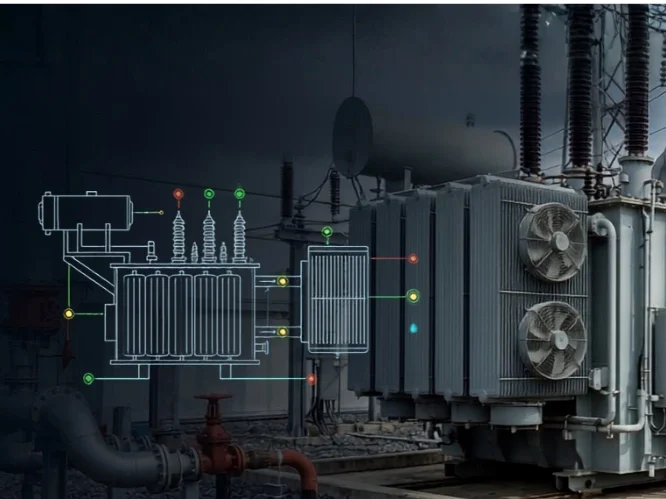
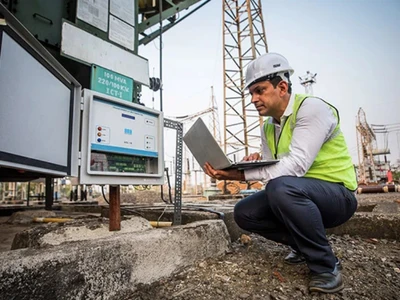
To capture these benefits, organizations should adopt advanced transformer monitoring technologies. These online condition monitoring systems provide continuous data on transformer health and performance.
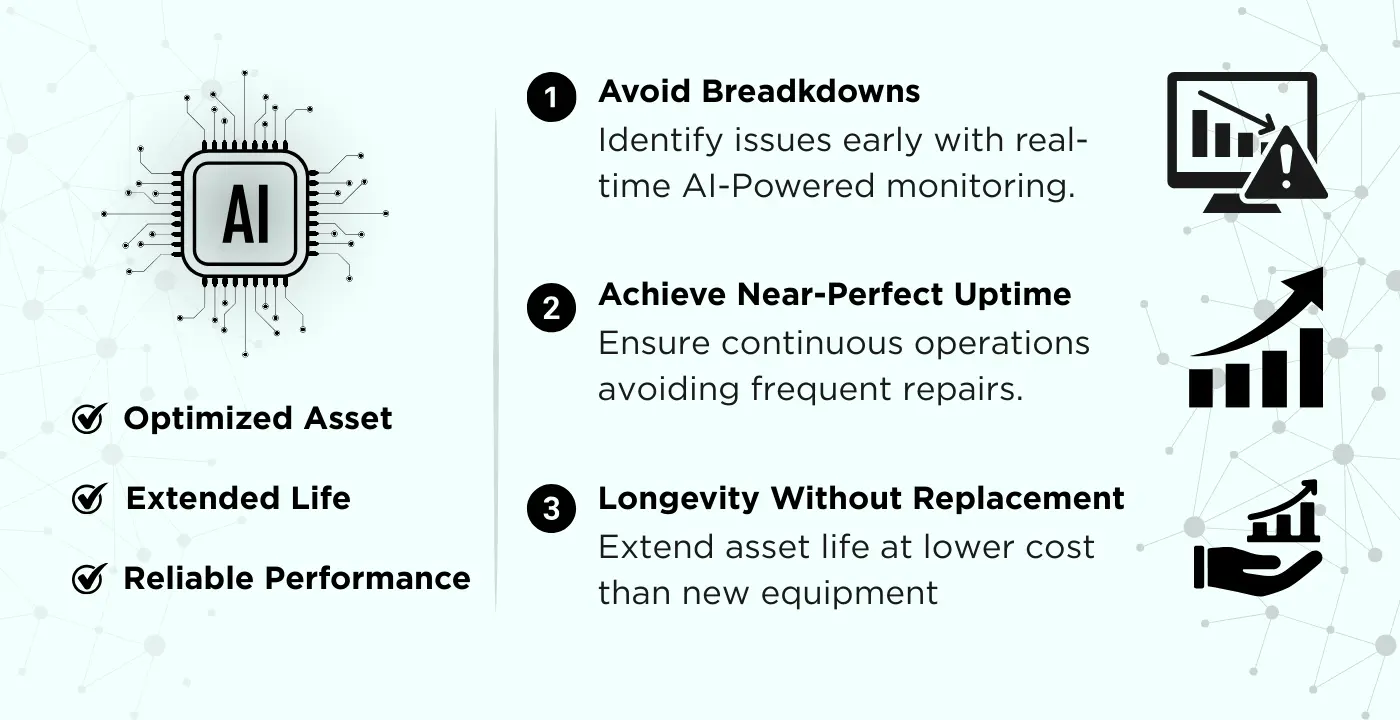
Our Transformer IQ a solution that uses AI-based analytics to:
- Validate real-time operational data
- Detect faults early
- Predict potential failures
- Provide weekly maintenance recommendations
- Forecast end-of-life timelines
These insights help operators to take proactive actions that reduce downtime, improve efficiency, and extend asset life.
Invest in Insights for Long-Term Value
To fully maximize the return on investment for a transformer, a company needs to have a complete understanding of the reliability, lifespan, and efficiency costs. By taking proactive steps to address these issues, one can avoid potential problems that can effect profitability.
The first step is to conduct cost and health assessment of the transformer. Installing smart transformer monitoring systems further improves visibility and enables data-driven maintenance decisions.
Over time, these improvements compound in delivering significant savings and stronger operational resilience.